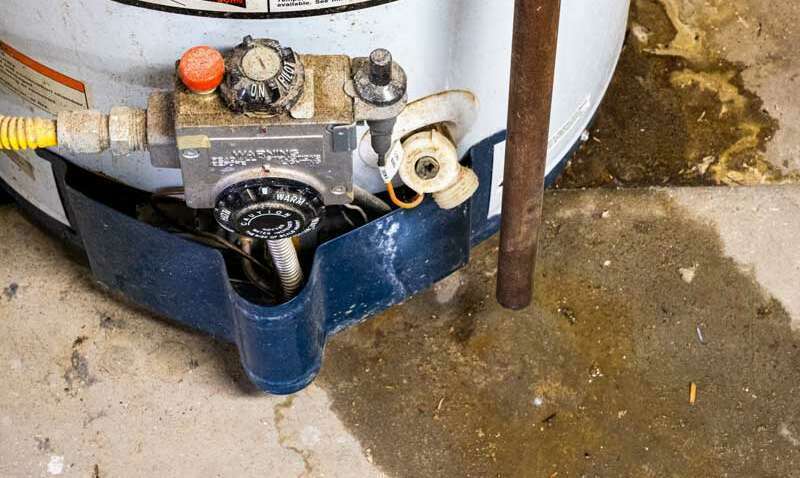
Does Homeowners Insurance Cover Water Heater Leak Damage Latest File & Photo Additions #750
Launch Now does homeowners insurance cover water heater leak damage signature streaming. No subscription fees on our digital library. Plunge into in a universe of content of media demonstrated in excellent clarity, made for exclusive viewing geeks. With newly added videos, you’ll always be informed. See does homeowners insurance cover water heater leak damage tailored streaming in amazing clarity for a remarkably compelling viewing. Participate in our entertainment hub today to witness exclusive prime videos with free of charge, access without subscription. Experience new uploads regularly and dive into a realm of uncommon filmmaker media produced for top-tier media experts. You won't want to miss special videos—get it fast! Discover the top selections of does homeowners insurance cover water heater leak damage rare creative works with vivid imagery and top selections.
Both do and does are present tense forms of the verb do For example, “i do like pizza” or “they do not want to go.” on the other hand, use “does” with the third person singular pronouns Which is the correct form to use depends on the subject of your sentence
Is A Water Leak Covered Under Homeowners Insurance at Harold Olmstead blog
In this article, we’ll explain the difference between do and does, cover when and how to use each form, and provide examples of how they’re used in sentences. Use “do” with the pronouns i, you, we, and they Get a quick, free translation
He/she/it form of do 2
He/she/it form of do 3 Present simple of do, used with he/she/it Definition of does verb in oxford advanced learner's dictionary Meaning, pronunciation, picture, example sentences, grammar, usage notes, synonyms and more.
Does in british english (dʌz ) verb (used with a singular noun or the pronouns he, she, or it) a form of the present tense (indicative mood) of do 1 ‘do,’ ‘does,’ and ‘did’ are versatile auxiliary verbs with several key functions in english grammar They are primarily used in questions, negations, emphatic statements, and short answers. Master 'do vs does' with this easy guide

Learn the rules, see real examples, and practice with our comparison chart
Many users have written to us asking whether don't or doesn’t is correct in a particular sentence, or asking what the difference between don't and d We’ve put together a guide to help you use do, does, and did as action and auxiliary verbs in the simple past and present tenses. Understanding when to use “do” and “does” is key for speaking and writing english correctly